






Are you curious about the effectiveness of fluoride core build-ups for preventing caries? At Design Dentistry Columbia, we believe that evaluating the use of fluoride in core build-ups can be an effective tool in preventing tooth decay and promoting overall oral health. In this post, we will explore the benefits of fluoride core build-ups and how they can help protect your teeth.
Benefits of Fluoride in Dentistry
Fluoride is a mineral that is naturally present in water and soil. It has been proven to be effective in preventing tooth decay and strengthening tooth enamel. Fluoride is commonly used in dentistry to prevent cavities and to treat tooth sensitivity. It is also used in dental products such as toothpaste, mouthwash, and fluoride varnish.
One of the main benefits of fluoride is its ability to prevent tooth decay. Fluoride works by strengthening the enamel on the teeth, making it more resistant to acid attacks from bacteria in the mouth. This helps to prevent cavities from forming and can even reverse early stages of tooth decay. Additionally, fluoride can help to reduce tooth sensitivity by blocking the tiny tubules in the teeth that allow hot and cold sensations to reach the nerves. Overall, the use of fluoride in dentistry has been shown to be a safe and effective way to prevent tooth decay and maintain good oral health.
If you are interested in learning more about preserving your tooth structure, composite resins may be a good option for you. Composite resins are a type of dental filling material that can be used to repair decayed or damaged teeth. They are made of a mixture of plastic and glass and can be matched to the color of your natural teeth. Composite resins are a great choice for preserving tooth structure because they require less removal of healthy tooth structure than traditional metal fillings. This means that more of your natural tooth can be preserved, which can help to maintain the strength and integrity of your teeth over time. To learn more about composite resins and how they can help to preserve your tooth structure, check out our article on Composite Resins Preserve Tooth Structure.
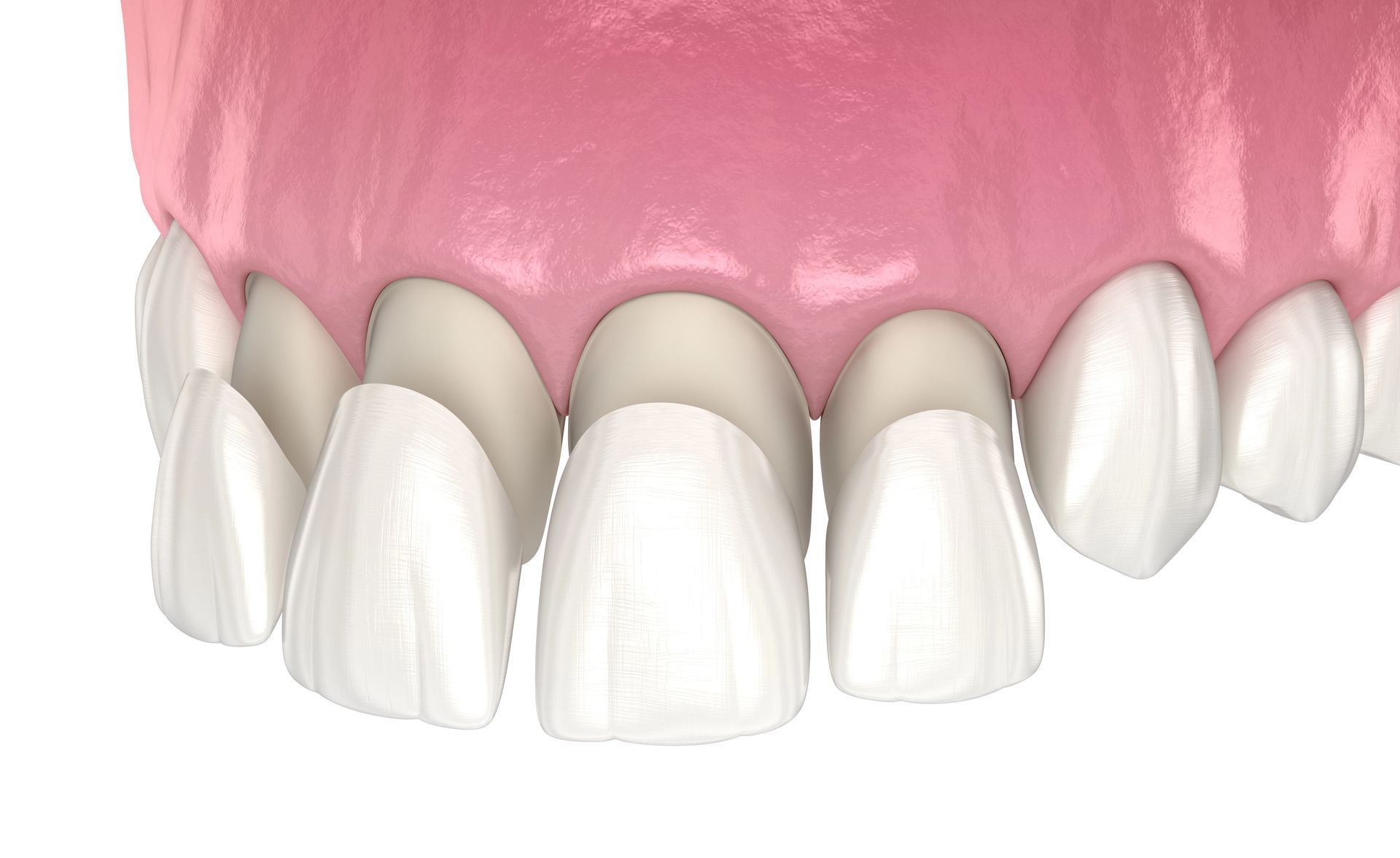
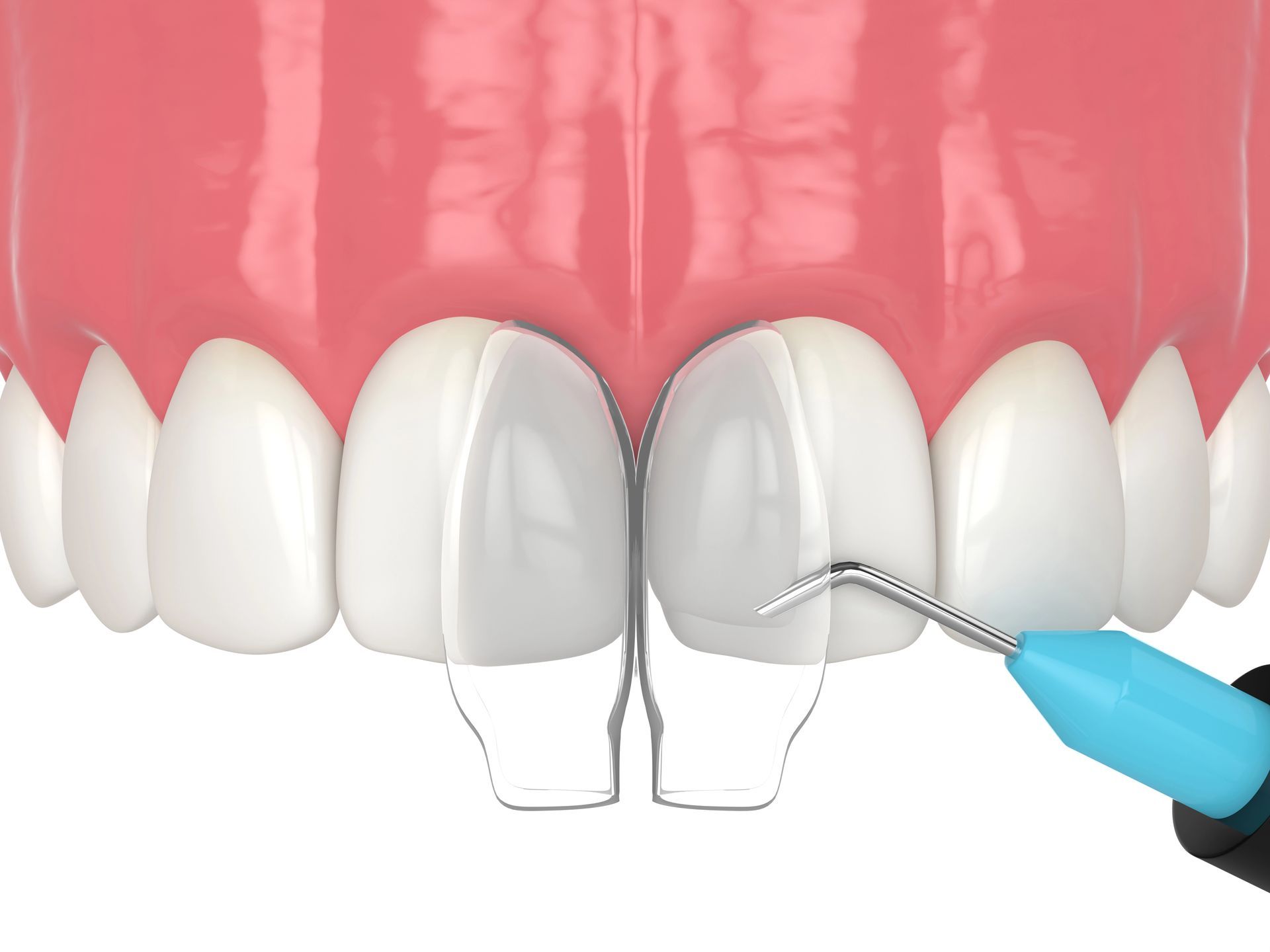
Types of fluoride core build-ups are an essential part of caries prevention in dentistry. There are two main types of fluoride core build-ups: glass ionomer and resin-modified glass ionomer. Glass ionomer fluoride core build-ups are made of a mixture of glass powder and an aqueous solution of polyacrylic acid. They are known for their excellent adhesion to tooth structure and their ability to release fluoride ions, which helps prevent caries. Resin-modified glass ionomer fluoride core build-ups are similar to glass ionomer, but they also contain resin, which improves their strength and durability.
Both types of fluoride core build-ups have their advantages and disadvantages, and the choice between them depends on the specific needs of the patient. Glass ionomer fluoride core build-ups are more affordable and easier to use, but they are also more prone to wear and tear. Resin-modified glass ionomer fluoride core build-ups are more durable and resistant to wear, but they are also more expensive and require more skill to apply. Overall, fluoride core build-ups are an effective way to prevent caries and maintain the health of teeth.
If you are looking for a reliable dental clinic that offers high-quality core build-ups in Columbia, look no further than Design Dentistry Columbia. Our experienced dentists use the latest techniques and materials to provide our patients with the best possible care. Contact us today to schedule an appointment and learn more about our services.
Effectiveness of fluoride in caries prevention
Fluoride has been widely recognized as an effective agent in preventing dental caries. It works by strengthening the enamel of teeth, making them more resistant to acid attacks from bacteria in the mouth. Fluoride can also help to remineralize early stages of tooth decay, reversing the damage caused by acid erosion. Studies have shown that fluoride can reduce the incidence of dental caries by up to 50%, making it an essential component of any caries prevention strategy. However, it is important to note that fluoride alone cannot prevent all cases of dental caries, and other preventive measures such as good oral hygiene and a healthy diet are also necessary.
Risks and Side Effects of Fluoride Use
While fluoride is effective in preventing tooth decay, excessive use can lead to several risks and side effects. Overexposure to fluoride can cause dental fluorosis, a condition that affects the appearance of teeth, causing white spots or streaks on the enamel. In severe cases, it can lead to brown discoloration and pitting of the teeth. Fluoride toxicity can also cause gastrointestinal symptoms, such as nausea, vomiting, and diarrhea. In rare cases, it can lead to skeletal fluorosis, a condition that affects the bones and joints. Therefore, it is essential to use fluoride products in moderation and under the guidance of a dental professional.
Alternatives to Fluoride for Caries Prevention
While fluoride is a widely accepted and effective method for preventing caries, some individuals may prefer to avoid its use due to personal beliefs or health concerns. Fortunately, there are alternative methods for caries prevention that can be just as effective. One such method is the use of xylitol, a natural sweetener that has been shown to reduce the amount of harmful bacteria in the mouth and promote remineralization of tooth enamel. Other alternatives include the use of probiotics, which can help to restore a healthy balance of bacteria in the mouth, and the consumption of a diet rich in calcium and vitamin D, which can strengthen teeth and promote overall oral health. It is important to consult with a dental professional to determine the best course of action for individual needs and preferences.
Conclusion
Contact Design Dentistry Columbia at 803 667 3919 to schedule an appointment and evaluate the benefits of fluoride core build-ups for caries prevention, and check out our reviews on Google Maps.